
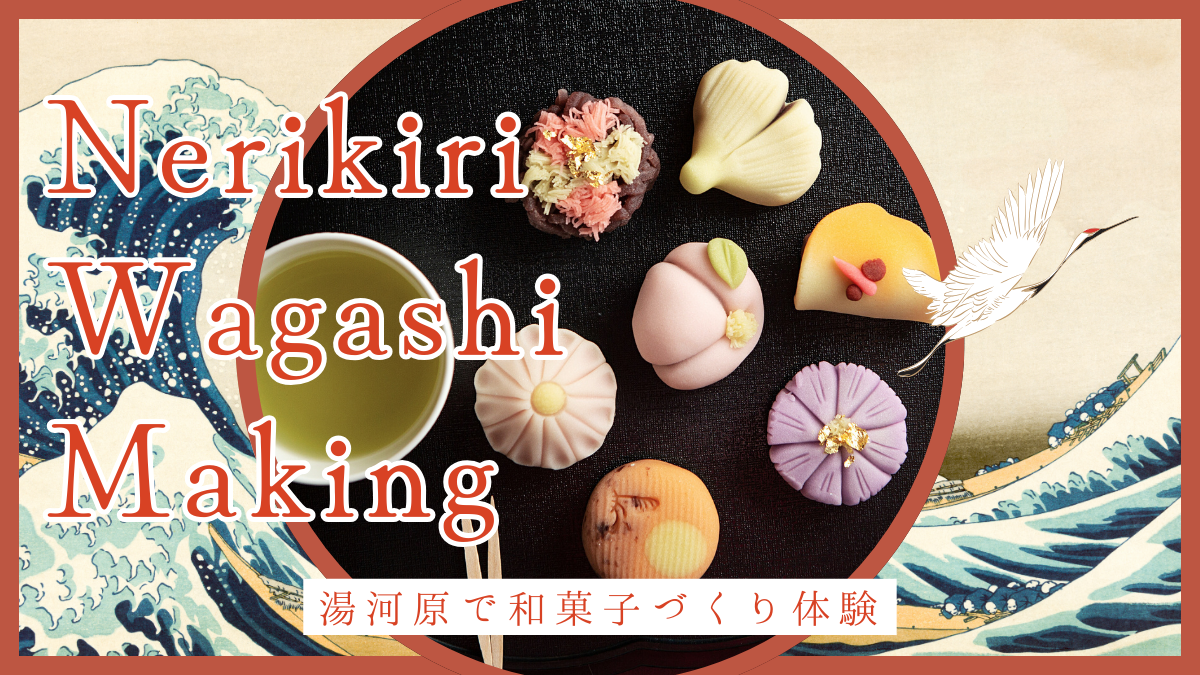
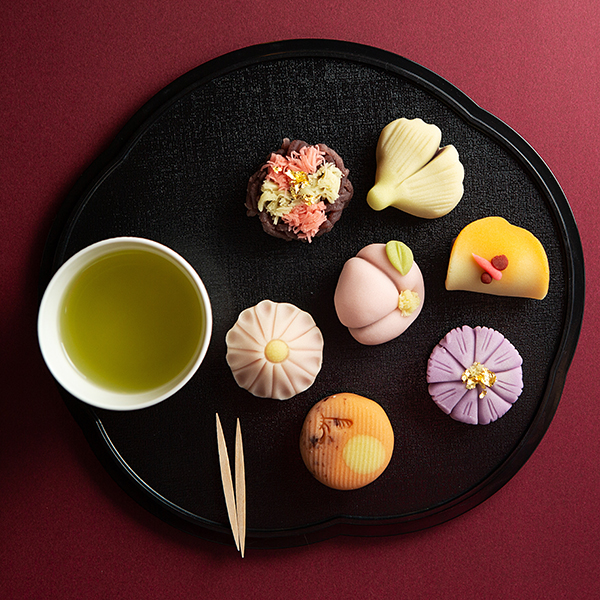
Nerikiri is a refined type of jōnamagashi (high-grade wagashi) that evolved alongside the culture of chanoyu (the Japanese tea ceremony). Carefully shaped with seasonal motifs and made with the guest in mind, nerikiri embodies the spirit of Japanese hospitality (omotenashi). In this hands-on class, you’ll work with smooth bean paste and delicate dough to create elegant, “edible art” inspired by the four seasons of Japan.
日本の四季を映す上生菓子「練り切り」は、茶の湯(茶道)の文化とともに発展してきた伝統菓子。季節の意匠に心を寄せ、客人を想ってひとつひとつ丁寧に仕立てる。そこには、日本文化に共通する「おもてなし」の心が息づいています。やさしい甘さの餡と、なめらかな生地を扱いながら、花や葉など季節のモチーフを繊細に表現する“食べられるアート”を、手を動かして体感できるレッスンです。
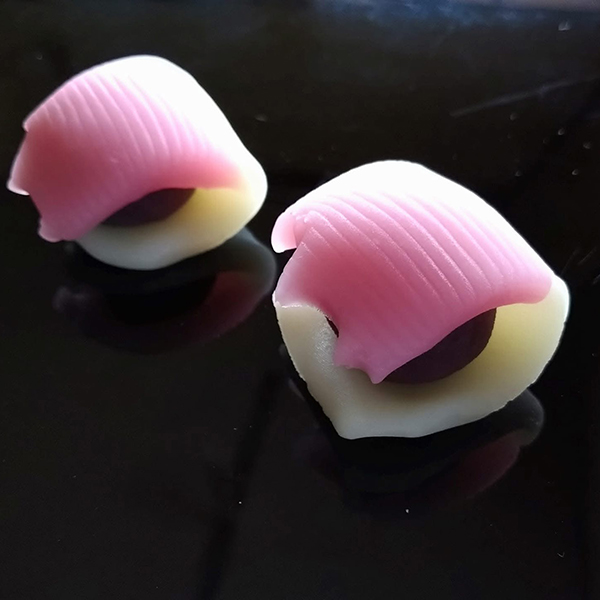
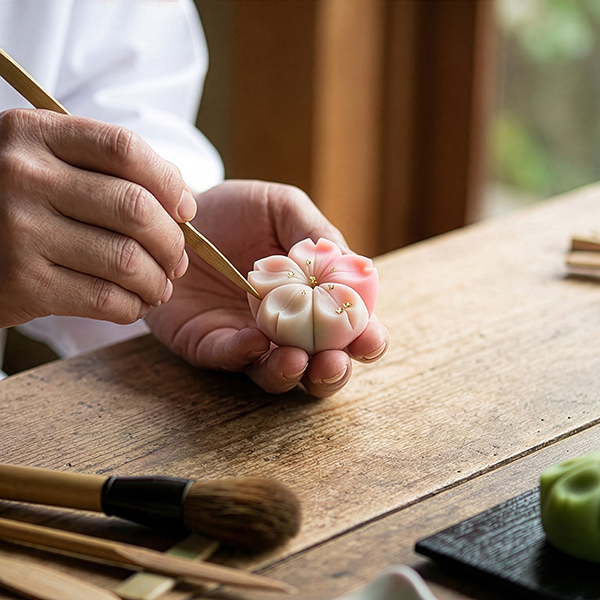
During the Muromachi period (1336–1573), wagashi became increasingly refined alongside the culture of chanoyu (the Japanese tea ceremony), shaped to accompany a quiet moment of tea and to welcome guests with care. In the Edo period (1603–1868), these sweets spread among ordinary people, and highly artistic confections such as nerikiri—expressing the beauty of the seasons through flowers, birds, and moonlit landscapes—were developed and perfected.
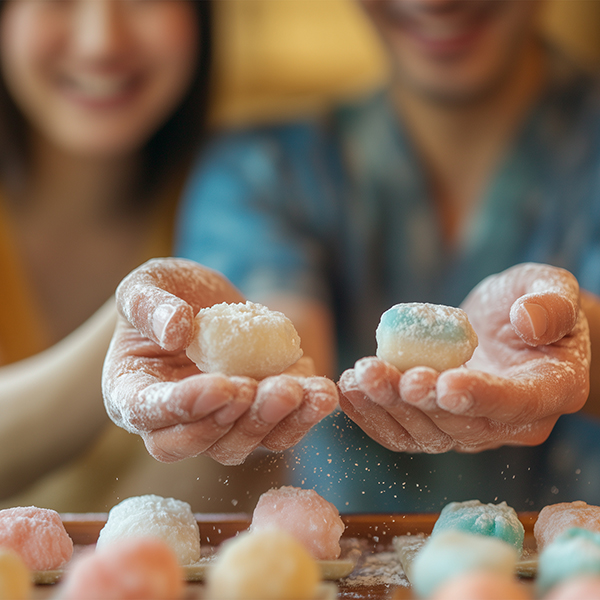
In this class, you will learn about this history and cultural background while enjoying the hands-on process of creating nerikiri. Through color mixing and traditional shaping techniques, you’ll experience the joy of expressing seasonality and beauty—a hallmark of Japanese aesthetics—and the spirit of omotenashi, heartfelt hospitality, conveyed through a single sweet.
室町時代、茶の湯文化とともに和菓子は洗練され、客人をもてなす「一服」の時間に寄り添う存在として磨かれていきました。やがて江戸時代にはその楽しみが庶民へと広がり、四季折々の花鳥風月をかたちに映す、芸術的な上生菓子「練り切り」が発展・完成していきます。
この講座では、そうした和菓子の歴史や背景を学びながら、色づくりや成形のコツを通して、季節感と美しさを表現する楽しさを体験します。目で味わい、手で感じ、心で届ける——日本の「おもてなし」の心を、練り切りづくりを通してぜひ味わってください。
What You’ll Learn|この講座で学べること
- Nerikiri basics: handling dough and bean paste, wrapping (filling) techniques
- 練り切りの基本:生地と餡の扱い方、包餡(ほうあん)のコツ
- Tool skills: how to use basic wagashi tools to create patterns and details
- 道具の使い方:三角棒・丸棒など基本ツールで模様をつける
- Seasonal expression: color mixing and shaping to represent the four seasons
- 季節の表現:色づくり・形づくりで四季を表す考え方(意匠の意味)
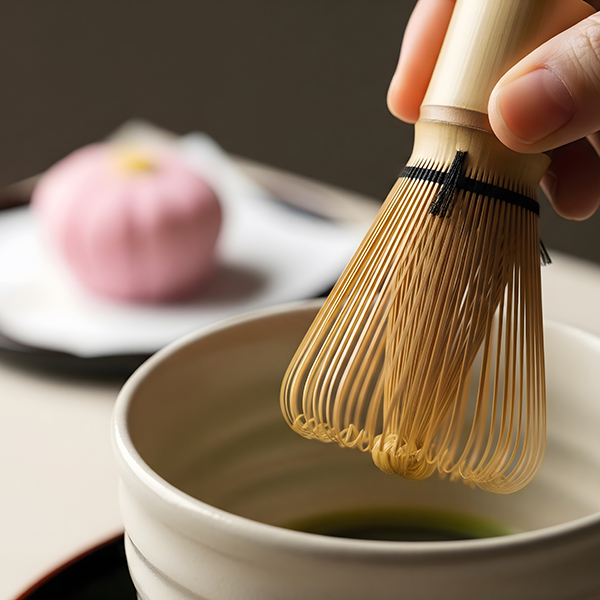
- Wagashi culture: the connection between jōnamagashi and tea
- 和菓子文化:上生菓子とお茶(茶の湯)との関係
- Easy to recreate: tips for substitutes you can use at home
- 再現性:ご自宅でもできる代替道具・材料のヒント
Sample Menu (May Vary by Season/Ingredients)|メニュー例
- 2–3 types of nerikiri (1 piece each)
e.g., cherry blossom, chrysanthemum, camellia, maple leaf, etc.
練り切り 2〜3種(各1個)例:桜/菊/椿/紅葉 など(季節の意匠) - Finish: Boxing → Photo time → Tea & tasting (or take-home)
仕上げ:箱詰め → 写真撮影 → お茶とともに試食(またはお持ち帰り)
*If you have allergies or dietary restrictions, please let us know when booking. We will do our best to accommodate you.
*アレルギー・食制限がある方は、予約時にお知らせください(可能な範囲で対応します)。
Class Flow (Example)|当日の流れ(例)
1)Welcome & introduction: today’s designs, culture, and tools (15 min)
ご挨拶・本日の意匠紹介/練り切りの文化・道具の説明(15分)
2)Demonstration: basic wrapping and shaping (15 min)
デモンストレーション(包餡・成形の基本)(15分)
3)Hands-on practice: make 2–3 nerikiri designs (60min)
実習(練り切り作り 2〜3種)(60分)
4)Plating & photo time (10 min) 盛り付け・撮影タイム(10分)
5)Tea, tasting & Q&A (20 min) お茶・試食/質問タイム(20分)

Instructor:Norikatsu Hosouchi
A wagashi artisan who previously ran the workshop “Wagashi Toku” in Kamakurayama, sharing the beauty of traditional Japanese sweets in a modern way. His signature nerikiri are known for their refined designs and delicate flavor—well suited for tea settings.